


TLSTAGE Header
TLSTAGE - Premium High Heel Manufacturer

Elevate Your Footwear Business with Premium High Heels

TLSTAGE delivers superior quality, customizable high heel shoes for global B2B clients. With 15+ years of manufacturing expertise, we help retailers and brands achieve higher margins and customer satisfaction.

Our Services

Comprehensive B2B trading solutions designed to streamline your sourcing process and maximize your business potential.

Rapid Response

Feature: 24-hour quotation guarantee
Advantage: Faster decision-making process
Benefit: Capture market opportunities before competitors

  • Instant pricing responses
  • Real-time inventory updates
  • Dedicated account managers

Sample Excellence

Feature: 7-day sample production
Advantage: Fastest sampling in industry
Benefit: Accelerate your product launch timeline

  • Free samples for qualified buyers
  • Custom design capabilities
  • Quality pre-production samples

Reliable Delivery

Feature: 95% on-time delivery rate
Advantage: Predictable supply chain
Benefit: Never miss sales opportunities due to stock-outs

  • Flexible shipping options
  • Real-time tracking
  • Secure packaging

Quality Assurance

Feature: Multi-level quality control system
Advantage: Consistent product quality
Benefit: Protect your brand reputation and customer satisfaction

  • Pre-shipment inspection
  • Material verification
  • Size accuracy guarantee

Flexible Terms

Feature: Customizable MOQ and payment terms
Advantage: Adaptable to your business needs
Benefit: Start small, scale fast with reduced financial risk

  • Low minimum orders
  • Flexible payment options
  • Credit terms for qualified buyers

One-Stop Sourcing

Feature: Complete fashion accessory range
Advantage: Single supplier for multiple categories
Benefit: Simplify procurement and reduce operational costs

  • Shoes, bags, belts, accessories
  • Coordinated collections
  • Bulk discounts available

Real Solutions for Real Business Challenges

Customer Success Stories

See how we've helped retail businesses overcome common industry challenges with tailored wholesale footwear solutions.

Boutique Scaling Solution

Boutique Scaling Solution

Pain Point:

Upscale boutique struggled with minimum order quantities that were too high, leading to excess inventory and cash flow issues.

Our Solution:

Implemented a flexible MOQ program with mixed-style ordering and staggered delivery schedule to match their sales cycle.

Result:

40% inventory reduction with 25% increase in style variety and 30% improvement in cash flow.

Discuss your case
Chain Store Standardization

Chain Store Standardization

Pain Point:

Regional chain store facing inconsistent quality and unpredictable delivery times from multiple suppliers.

Our Solution:

Consolidated their women's footwear sourcing with our standardized quality control and reliable logistics program.

Result:

Simplified operations with 99.7% on-time delivery rate and 15% reduction in customer returns due to quality issues.

Discuss your case
E-commerce Expansion Strategy

E-commerce Expansion Strategy

Pain Point:

Online retailer struggling with long lead times preventing them from responding quickly to emerging fashion trends.

Our Solution:

Implemented our Quick Response manufacturing program with expedited production for trending styles and dropshipping capabilities.

Result:

Reduced time-to-market by 65% and increased quarterly revenue by 35% by capitalizing on trending styles faster than competitors.

Discuss your case

Stylish & Trendy Women's Footwear

Our Product Collection

Discover our extensive wholesale collection of high-quality women's shoes designed to meet diverse customer preferences and market demands.

Milano Block Heel
NEW
Heels & Pumps

Milano Block Heel

  • Premium leather upper
  • Cushioned insole
  • 3-inch block heel
  • Available in 5 colors
Paris Ballet Flats
Flats & Loafers

Paris Ballet Flats

  • Soft leather construction
  • Memory foam padding
  • Flexible outsole
  • Elegant bow detail
London Ankle Boots
NEW
Boots & Booties

London Ankle Boots

  • Waterproof suede
  • Side zipper
  • Stacked heel
  • Non-slip rubber sole
Capri Strappy Sandals
Sandals

Capri Strappy Sandals

  • Genuine leather straps
  • Adjustable buckle
  • Contoured footbed
  • Available in 6 colors
Vienna Stilettos
Heels & Pumps

Vienna Stilettos

  • Patent leather finish
  • 4-inch stiletto heel
  • Pointed toe design
  • Professional styling
Monaco Loafers
Flats & Loafers

Monaco Loafers

  • Genuine leather upper
  • Slip-on design
  • Comfortable flat sole
  • Classic business style
Request Full Catalog

Over 200+ styles available. Contact us for complete product specifications and wholesale pricing.

TLSTAGE Headquarters

About TLSTAGE

Founded in 2005, TLSTAGE has grown from a small workshop to a leading high heel manufacturer serving premium footwear brands across 45+ countries. Our commitment to craftsmanship, innovation, and sustainability has established us as the preferred partner for retailers seeking exceptional quality and design.

18+

Years of Excellence

500+

Global Partners

2M+

Pairs Produced Annually

45+

Countries Served

Our team of 200+ skilled artisans and designers combines traditional craftsmanship with cutting-edge technology to create high heels that not only look stunning but also provide exceptional comfort and durability, helping your business achieve higher customer satisfaction and repeat purchases.

Our Manufacturing Excellence

Take a look inside our state-of-the-art facilities where precision meets passion in every product we create.

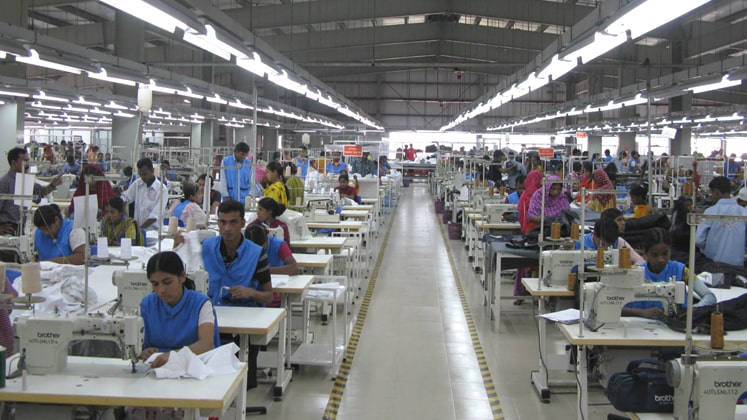
Modern Facilities

5,000 sqm of advanced manufacturing space

Expert Team

50+ skilled workers and quality inspectors

Production Capacity

50,000 pairs per month with scalability

Certifications

ISO 9001, BSCI, and other international standards

Our Production Process

Each pair of high heels undergoes a meticulous 8-step process to ensure exceptional quality and craftsmanship.

1

Design & Development

Our designers create custom designs or refine your concepts, producing detailed technical specifications and 3D models for approval.

Design Process
2

Material Selection

We source premium materials from certified suppliers, conducting rigorous testing to ensure durability, comfort, and aesthetic appeal.

Material Selection
3

Precision Cutting

Using laser-cutting technology, we achieve precise component dimensions with minimal waste, ensuring consistency across production runs.

Precision Cutting
4

Skilled Assembly

Our master craftsmen hand-assemble each component, applying specialized techniques that ensure structural integrity and perfect fit.

Skilled Assembly
5

Heel Construction

Our proprietary heel reinforcement technology increases stability and durability, reducing common issues like heel breakage by 85%.

Heel Construction
6

Finishing & Detailing

Expert artisans apply meticulous finishing touches, from hand-polishing to embellishment application, creating a luxurious final product.

Finishing & Detailing
7

Quality Inspection

Each pair undergoes our comprehensive 15-point quality check, including stress testing and comfort assessment, ensuring only perfect products are shipped.

Quality Inspection
8

Packaging & Shipping

Products are carefully packaged in protective, eco-friendly materials and shipped through our optimized logistics network to ensure timely delivery.

Packaging & Shipping

Trusted by Retailers Worldwide

What Our Partners Say

Hear from our valued clients about their experience partnering with EleganShoes for their wholesale footwear needs.

"

"EleganShoes has transformed our business with their reliable delivery schedules and exceptional quality. Our customers consistently praise the comfort and style of their footwear."

Emily Rodriguez

Emily Rodriguez

Purchasing Manager, StyleHub Retail

"

"The flexibility in minimum order quantities allowed us to test new styles without overcommitting inventory. This partnership has been instrumental in our boutique's growth."

Michael Chen

Michael Chen

Owner, Chic Boutique Collection

"

"Working with EleganShoes has streamlined our supply chain and improved our profit margins. Their trend forecasting has been spot-on, keeping our inventory fresh and relevant."

Sarah Johnson

Sarah Johnson

Operations Director, Footwear Express

客户Logo展示

Trusted By Leading Retailers

Keep Up With Footwear Trends

Industry Insights

Our blog provides valuable insights, trend forecasts, and business strategies to help your retail business stay ahead in the competitive footwear market.

Blog placeholder image
Trends
Feb 1, 2026

How to Get Smells Out of Silicone Kitchenware: 10 Science-Backed Methods for a Fresh Kitchen

The most effective way to eliminate odors from silicone is through low-temperature heat, which forces the material's molecules to expand and release trapped oils. You pull out your favorite silicone spatula or Instant Pot sealing ring, only to realize it reeks of last week’s garlic curry or sour milk. Despite multiple cycles in the dishwasher, that pungent, stubborn odor refuses to budge.

Using "stinky" silicone isn't just unpleasant; it ruins the flavor profile of your current meal. Imagine baking delicate vanilla cupcakes only for them to carry a faint, metallic hint of fermented onions. For those using silicone in high-heat cooking, these trapped oils can become a breeding ground for persistent, unappetizing scents.

Getting smells out of silicone requires understanding the material's chemistry. In this guide, we provide a definitive roadmap on how to get smells out of silicone using heat, natural bases, and professional-grade maintenance tips to restore your tools to a factory-fresh state.

Why does silicone kitchenware absorb strong odors?

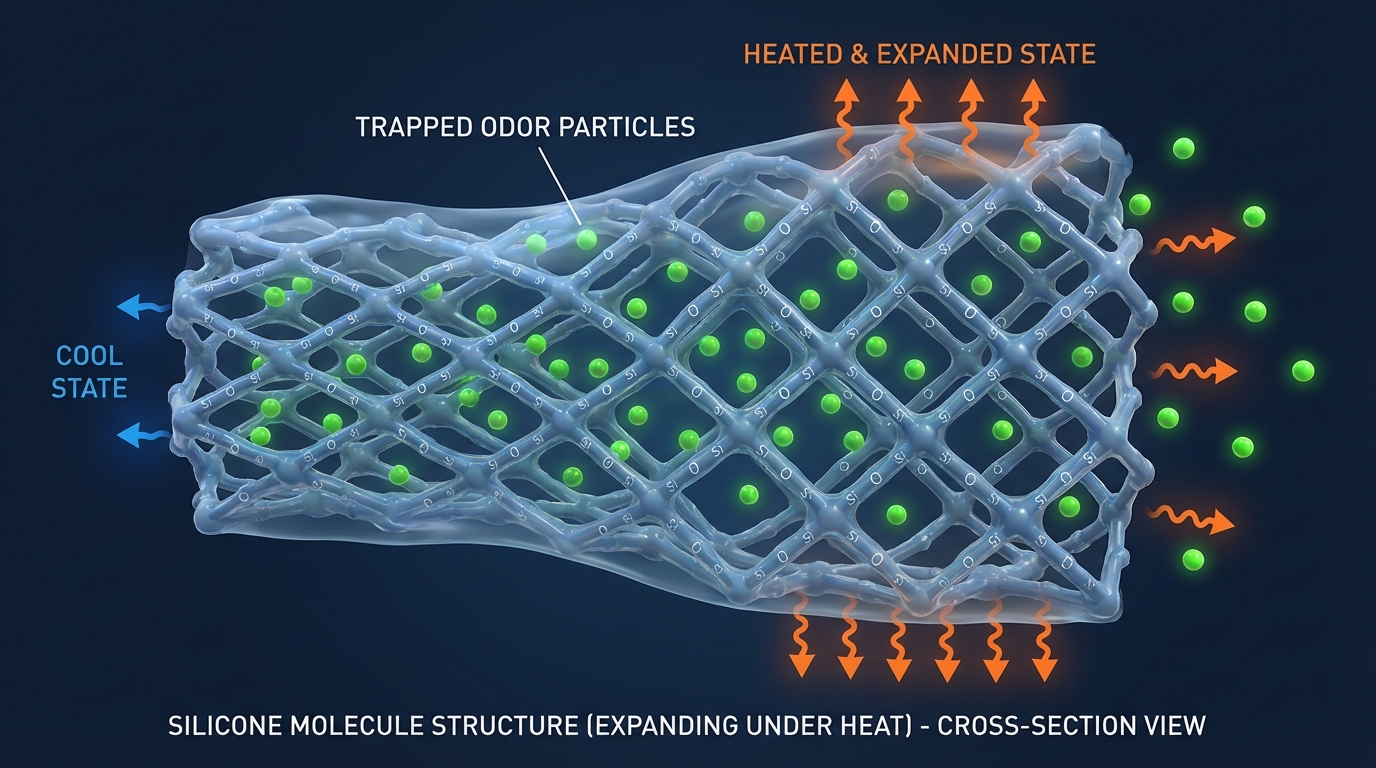
Understanding the molecular structure is the first step in learning how to get smells out of silicone. Silicone is a "breathable" polymer, meaning odors are not just sitting on the surface; they are actually trapped inside the molecular lattice. When you cook with pungent ingredients, the material's porous nature allows microscopic particles to settle deep within the structure.

Look at this:

  • Silicone molecules expand when heated.
  • Food oils migrate into these expanded gaps.
  • The material "locks" the scent in as it cools.
  • Porosity increases with lower-quality fillers.
Silicone Molecule Structure

The Molecular Expansion Theory

During the cooking process, heat causes the silicone matrix to widen significantly. This expansion creates an opening for volatile organic compounds and fats to enter the polymer chain. Once the heat source is removed, the molecules contract, effectively sealing those odor particles inside.

Porosity and Surface Retention

Silicone’s rubber-like consistency is naturally more prone to absorption than non-porous materials like glass or stainless steel. While the surface feels smooth, it contains microscopic peaks and valleys that hold onto residue. You must address the internal structure to achieve a truly clean result.

Key Takeaway: Silicone is a "breathable" polymer; odors aren't on the surface, they are trapped inside the molecular structure.

FactorImpact on OdorMechanism
HeatHighCauses molecular expansion and oil trapping.
PorosityMediumDetermines how deep particles can penetrate.
Material AgeLowOlder silicone may have more surface micro-tears.

This table illustrates how physical properties contribute to the long-term retention of food scents within kitchen tools.

Is your silicone kitchenware 100% food-grade or filled?

Identifying the quality of your tools is essential when researching how to get smells out of silicone. Many cheaper products on the market contain plastic fillers that degrade more quickly and absorb odors aggressively. High-quality, pure silicone is significantly more resistant to permanent scent retention than these budget alternatives.

Think about it:

  • Fillers reduce the thermal stability of the tool.
  • Pure silicone maintains its molecular integrity longer.
  • "Plastic-heavy" mixes trap scents permanently.
  • High-grade materials are easier to deep clean.
Silicone Twist Test

Performing the "Twist Test"

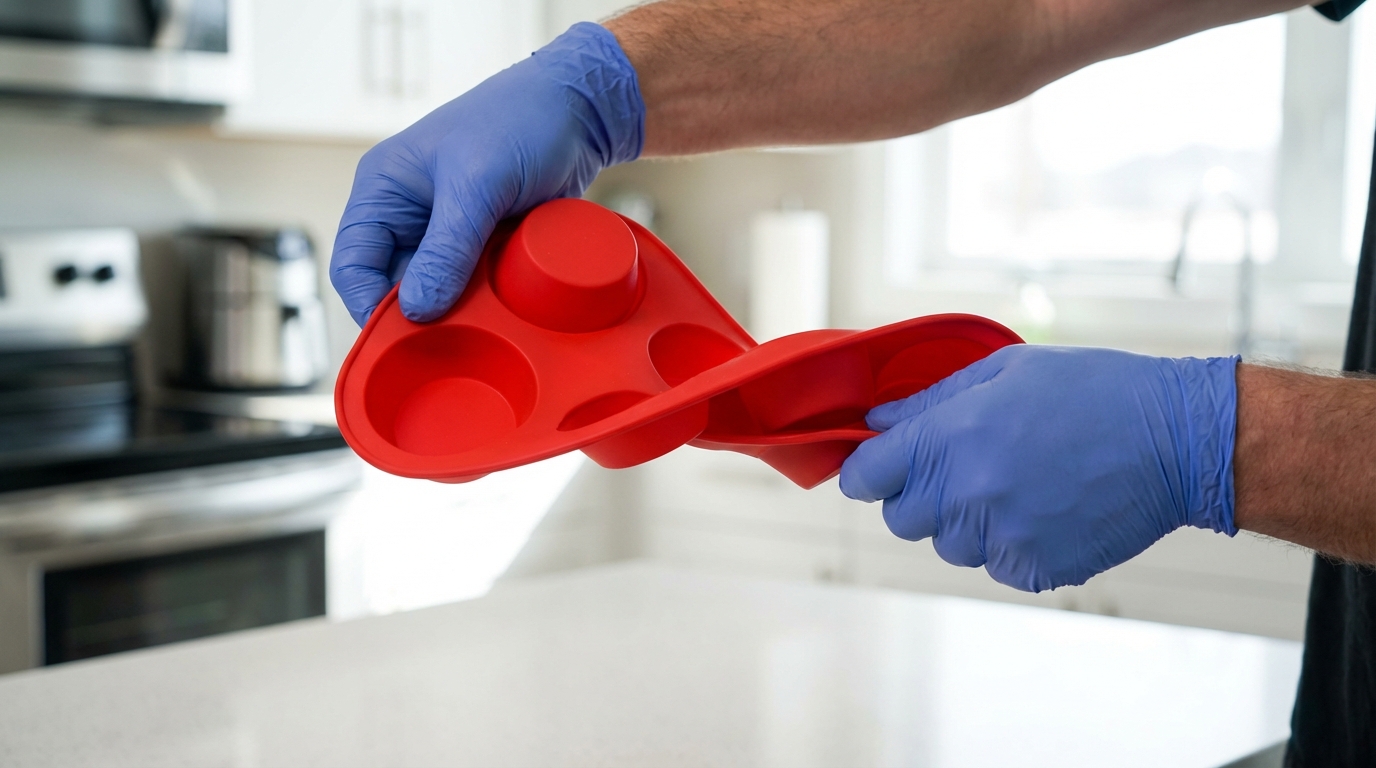
You can easily check the purity of your kitchenware by performing the "Twist Test" at home. Simply take your silicone item and twist a section of it firmly between your hands. If white streaks appear in the creases, it indicates the presence of cheap fillers rather than 100% food-grade material.

Recognizing FDA-Approved Quality

Why does this matter? Premium products are manufactured to strict standards that minimize porosity and maximize durability. Choosing tools from silicone manufacturing experts ensures you are working with materials designed to withstand rigorous use without holding onto old flavors.

Key Takeaway: Poor quality silicone uses "fillers" that degrade and absorb scents more aggressively than 100% food-grade silicone.

Material TypeOdor ResistanceIdentification Method
100% Food-GradeHighMaintains color when twisted; FDA certified.
Silicone with FillersLowShows white streaks or powdery residue.
Medical-GradeVery HighMost stable; least likely to leach or absorb.

The difference in material purity directly dictates the effort required to neutralize stubborn odors after cooking.

How do you prepare silicone for deep cleaning?

Before you attempt advanced techniques, you must know how to get smells out of silicone starting with proper preparation. Removing surface grease is critical because external oils can act as a barrier to deep-cleaning agents. If the surface isn't pristine, your deodorizing efforts will only reach the top layer of the material.

Here is the kicker:

  • Surface oils prevent "internal" cleaning.
  • Abrasive tools create microscopic scratches.
  • Hot water helps loosen surface-level debris.
  • Preparation saves time during the baking phase.
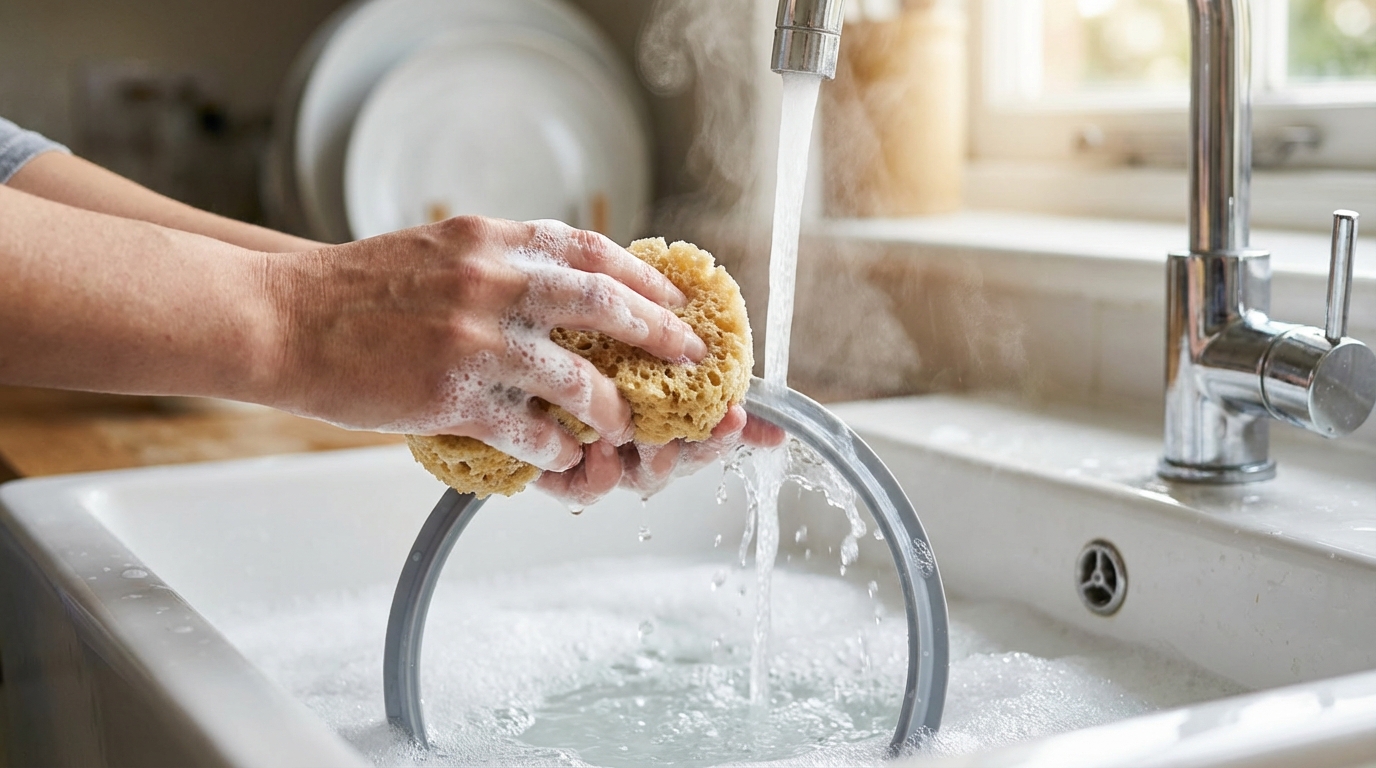
Kitchen Sink Cleaning

The Initial Degreasing Wash

Start by using a high-quality grease-cutting dish soap and warm water to scrub the entire surface. Focus on crevices, such as the grooves in an Instant Pot gasket or the edges of a spatula. This step ensures that the subsequent heat or chemical treatments can penetrate the polymer pores.

Avoiding Harsh Abrasives

You should never use steel wool or rigid plastic scrubbers on your silicone tools. These abrasives create tiny tears in the surface that become new hiding spots for bacteria and odors. Stick to soft sponges or microfiber cloths to maintain the integrity of the food-grade surface.

Key Takeaway: Always remove surface residue first so the deep-cleaning agent can penetrate the polymer.

Tool TypeSafety LevelRecommendation
Soft SpongeHighBest for daily and prep cleaning.
Microfiber ClothHighExcellent for drying and polishing.
Steel WoolDangerWill ruin the silicone surface permanently.

Proper preparation ensures that your chosen cleaning method has a clear path to the odor molecules trapped inside.

Can you bake smells out of silicone in the oven?

The most effective method for how to get smells out of silicone involves using your oven. Controlled heat forces the polymer to expand, allowing trapped oils to "sweat" out of the material where they can be washed away. This science-backed approach is the gold standard for professional chefs and home cooks alike.

Consider these steps:

  • Heat the oven to a precise 250°F (120°C).
  • Use a clean baking sheet for the items.
  • Monitor for the characteristic "scent release."
  • Allow for a cooling period before the final wash.

Oven Baking Silicone

The 250°F (120°C) Method

Preheat your oven and place your dry, pre-washed silicone tools on a baking tray. Bake them for approximately 20 to 40 minutes depending on the intensity of the odor. This temperature is high enough to expand the molecules but low enough to prevent any damage to 100% food-grade silicone.

The Whiff Test Timing

How do you know when it's done? Carefully pull the tray out every 15 minutes and perform a "whiff test" to see if the smell has dissipated. Once the offending odor is gone, the silicone may actually smell slightly "hot" or neutral, indicating success.

Key Takeaway: Heat is the most effective "unlocking" mechanism for stubborn silicone odors.

TemperatureDurationExpected Result
250°F (120°C)20-40 minsOdors released via molecular expansion.
300°F (150°C)10-15 minsFaster results but higher risk of leaching.
400°F+NeverRisk of melting or material degradation.

Using controlled thermal energy is the fastest way to purge deep-seated scents that soaps cannot reach.

Does baking soda help remove odors from silicone gaskets?

When dealing with acidic odors like tomato sauce or vinegar, you need to know how to get smells out of silicone using chemistry. Baking soda is an alkaline base that works through a neutralizing reaction to pull scents out of the material. This is particularly effective for localized spots on spatulas or thin gaskets.

Ready for the secret?

  • Baking soda creates a salt-forming reaction.
  • It neutralizes organic acids on contact.
  • A paste application increases contact time.
  • It is 100% food-safe and non-toxic.
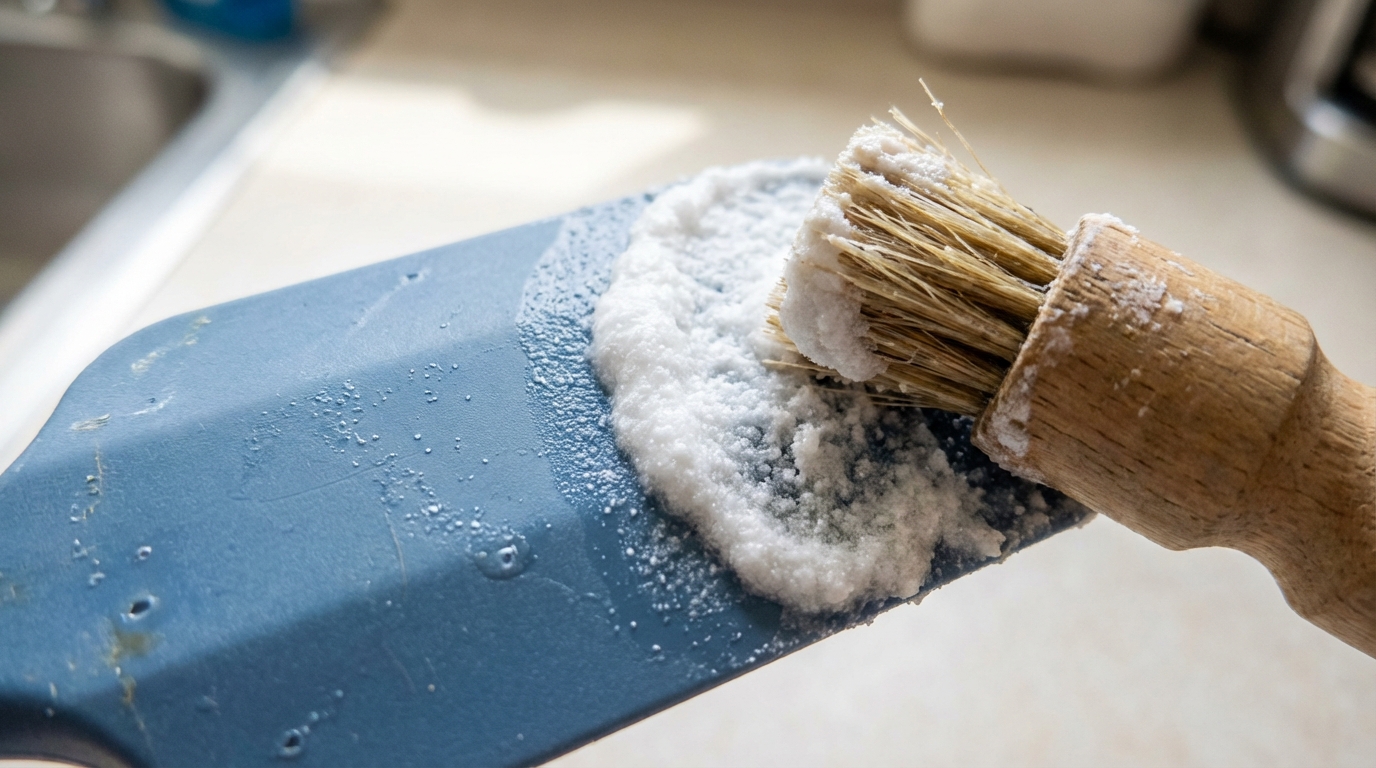
Baking Soda Paste

Neutralizing with a Base

Most food odors are slightly acidic, which is why a base like sodium bicarbonate is so effective. When the alkaline baking soda meets the acidic odor molecules, it neutralizes them into odorless salts. This chemical conversion is more efficient than simply trying to "mask" the scent with perfume.

Creating a Cleaning Paste

Mix baking soda with a small amount of water to create a thick, spreadable paste. Apply this generously to the affected areas and let it sit for at least two to four hours, or even overnight. This extended contact allows the base to draw out the deeper oils that are stuck near the surface.

Key Takeaway: Baking soda acts as a chemical neutralizer that pulls odors out through a "salt-forming" reaction.

ApplicationWait TimeEffectiveness
Dry Sprinkle12 hoursModerate (best for storage).
Thick Paste4 hoursHigh (best for deep stains).
Soaking Solution2 hoursGood for large batches of tools.

Baking soda provides a gentle yet powerful chemical alternative for those who prefer not to use heat for cleaning.

How do UV rays and fresh air eliminate persistent scents?

Nature offers a powerful solution for how to get smells out of silicone through solar energy. Ultraviolet (UV) rays from the sun have the ability to break down the chemical bonds of organic odor molecules. This method is completely free, passive, and incredibly effective for high-quality silicone tools.

Don't miss this:

  • UV light breaks down organic compounds.
  • Fresh air provides constant ventilation.
  • Sunlight naturally sanitizes the surface.
  • It is the most "green" method available.
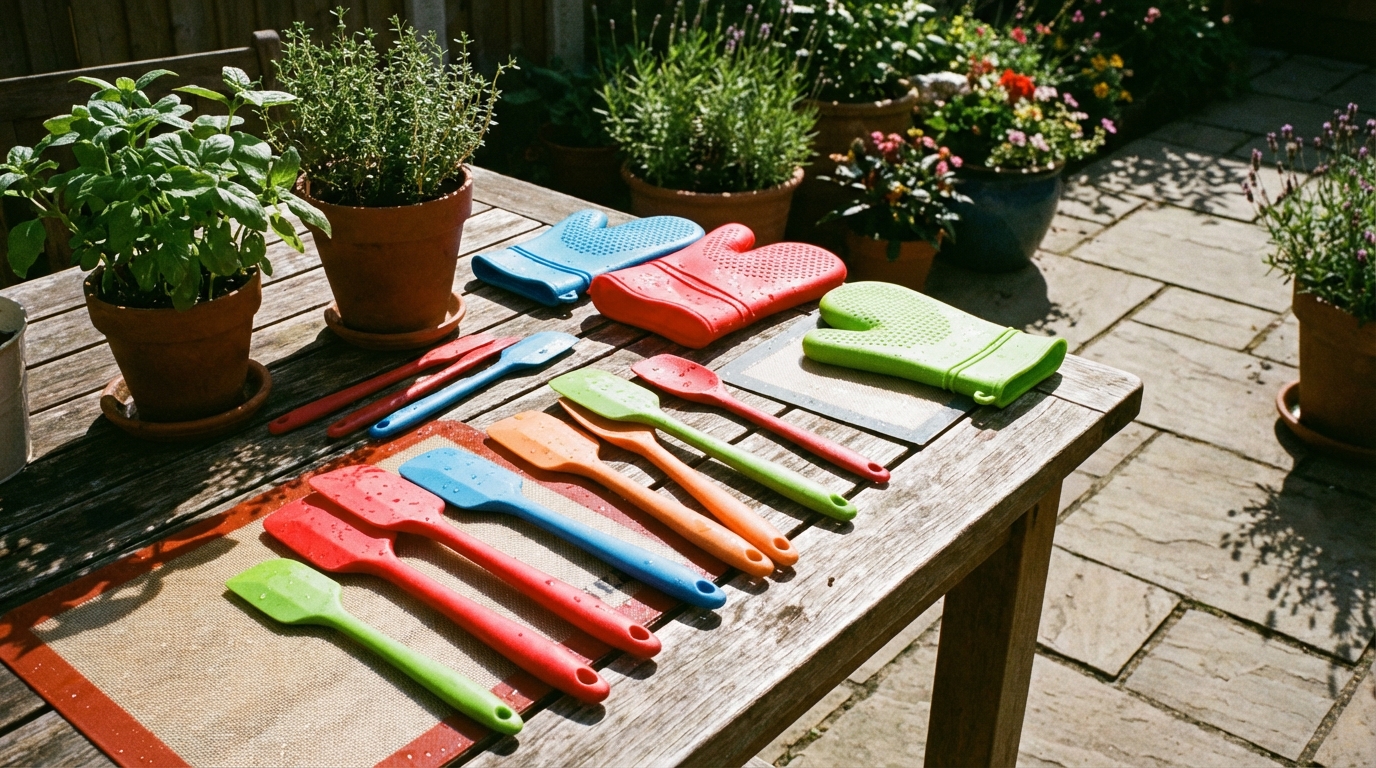
Silicone Drying Outdoors

The Power of Solar Neutralization

When you place your silicone kitchenware in direct sunlight, the UV radiation interacts with the trapped odors. This process, known as photodegradation, essentially "bleaches" the scents away at a molecular level. It is particularly effective for removing the smell of fermented foods or strong spices.

Ventilation and Open Space

Why is outdoor air better than a kitchen cupboard? Enclosed spaces trap the very gases the silicone is trying to release, often leading to re-absorption. Placing tools in a well-ventilated outdoor area ensures that as odors are released, they are immediately carried away by the wind.

Key Takeaway: Natural sunlight is a free, chemical-free way to sanitize and deodorize high-quality silicone.

ConditionOdor Removal SpeedBenefit
Direct SunlightFastUV breakdown of molecules.
Shade/BreezeModerateVentilation and cooling.
Indoors/DrawerVery SlowNo removal; likely re-absorption.

Leveraging environmental factors like sunlight can refresh your tools without any manual scrubbing or energy costs.

Can odor-absorbing materials like charcoal rescue your kitchenware?

For items that cannot be heated or soaked, you can learn how to get smells out of silicone using dry absorbents. Materials like activated charcoal or coffee grounds have massive surface areas designed to trap airborne and contact molecules. This "dry soak" method is perfect for items with delicate components.

Here is the deal:

  • Charcoal has a high internal surface area.
  • Coffee grounds provide a natural masking effect.
  • No moisture is required for this process.
  • It is ideal for long-term storage maintenance.
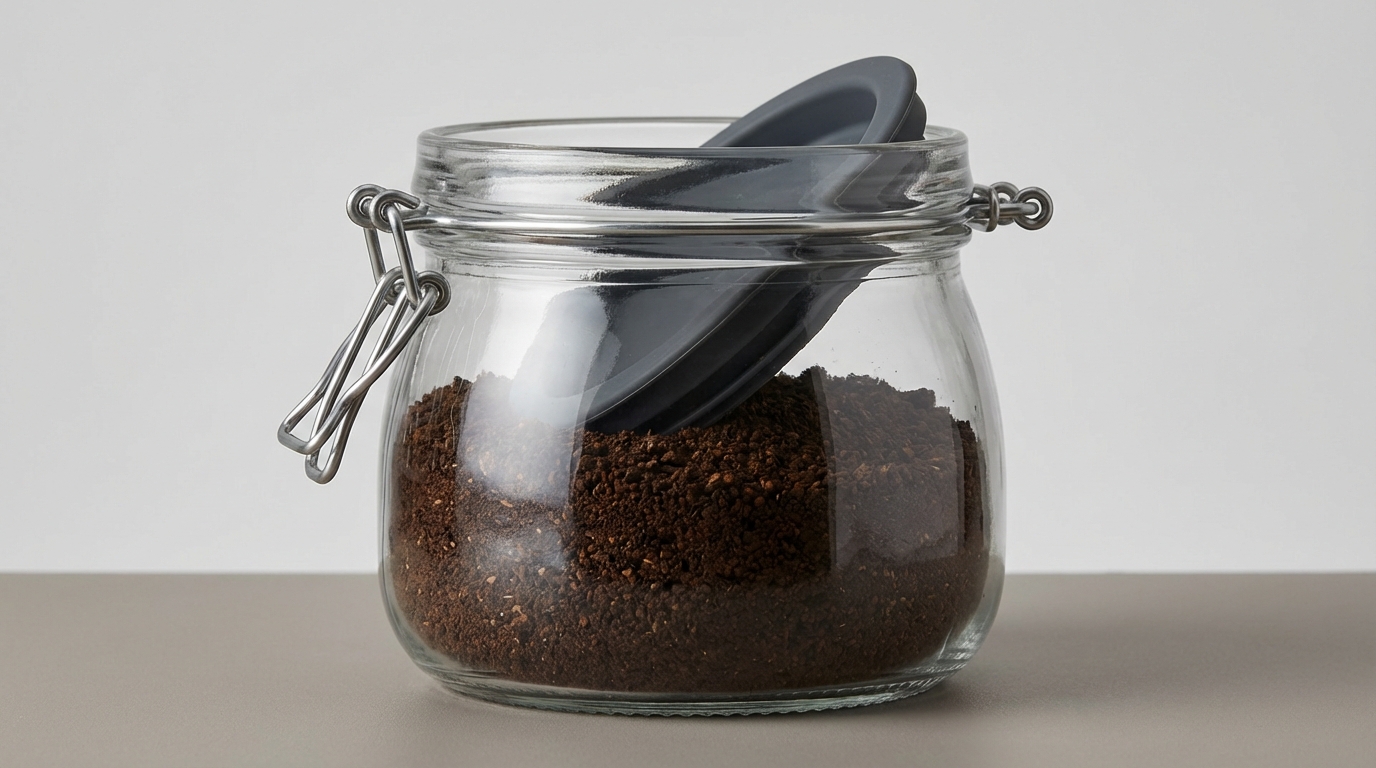
Coffee Grounds Deodorizing

Activated Charcoal and Coffee Grounds

Activated charcoal is specifically processed to have millions of tiny pores that capture gas-phase odors. Similarly, dry coffee grounds contain oils and carbon structures that can pull scents from nearby silicone surfaces. Simply place the tool in a sealed container with these materials for several days.

The 3-Day Extraction Method

Patience is the primary requirement for this technique to be successful. You should leave the silicone item submerged or enclosed with the absorbent material for at least 72 hours. This gives the molecules enough time to migrate out of the silicone and into the more "attractive" absorbent.

Key Takeaway: If heat isn't an option, use a "dry soak" in charcoal or clay-based cat litter.

AbsorbentBest Use CaseClean-up Effort
Activated CharcoalMaximum odor removalLow (use bags).
Coffee GroundsMasking + RemovalModerate (dusting).
NewspaperBudget optionLow.

Using dry extraction is a slow but steady way to refresh tools that might be sensitive to liquid soaks.

What role do gentle solvents and soaps play in odor removal?

Every professional knows how to get smells out of silicone involves using surfactants correctly. Dish soaps are designed to surround oil molecules and make them water-soluble so they can be rinsed away. Without a proper solvent, the oils you release via heat or baking soda will simply settle back into the silicone.

Why does this matter?

  • Surfactants break the bond between oil and silicone.
  • Soaking allows for deeper liquid penetration.
  • Proper rinsing removes the "salts" formed by soda.
  • It ensures a residue-free finish for the next meal.
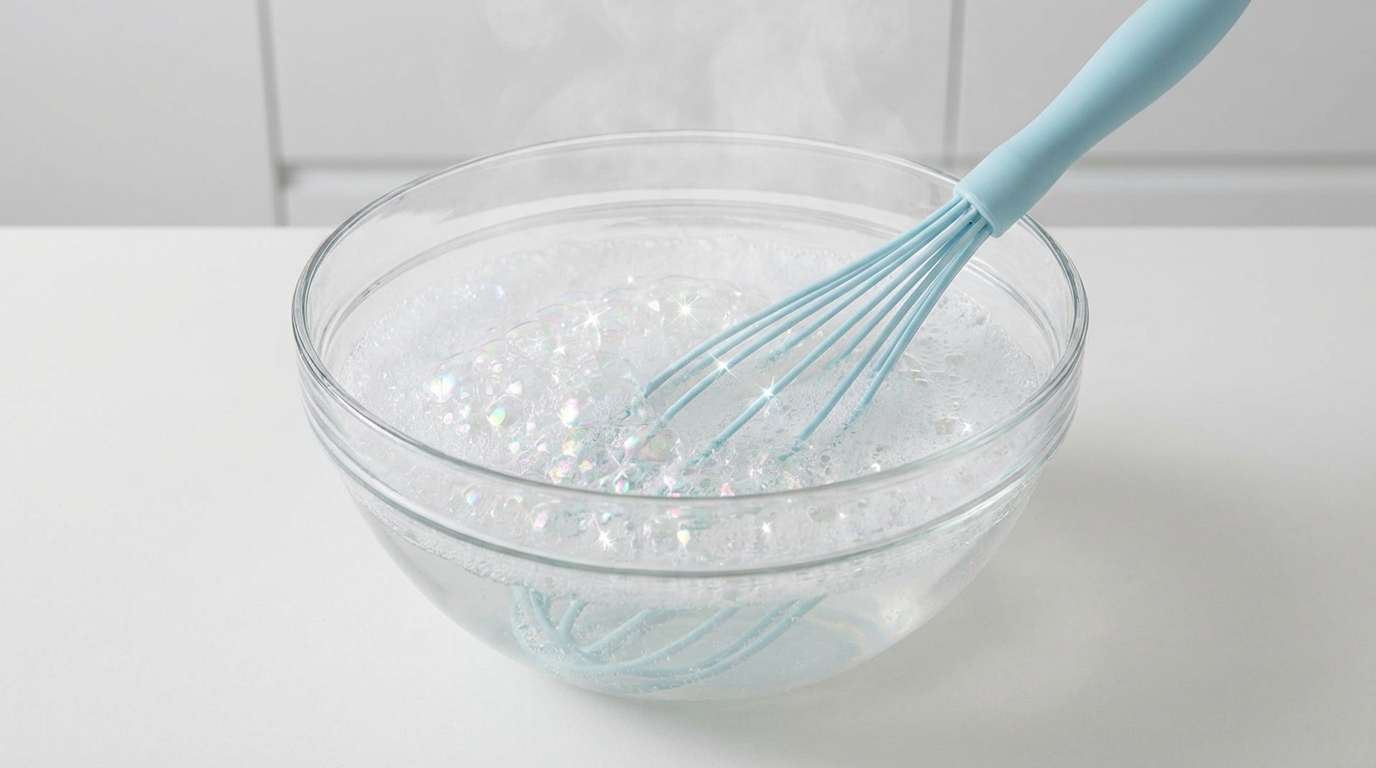
Soapy Water Soak

Dishwashing Liquid as a Solvent

Standard dishwashing liquid contains powerful surfactants that lower the surface tension of water. This allows the water to get into the microscopic pores of the silicone more effectively. When used after a heat treatment, the soap quickly "grabs" the secreted oils before they can cool and re-trap.

The Soak Technique

For stubborn odors, a simple wash isn't enough; you need an extended soak in hot, soapy water. Submerging your tools for 30 to 60 minutes allows the detergent to work into the material's surface layers. This is often the final step needed to achieve a completely neutral scent.

Key Takeaway: A high-quality solvent (dish soap) is necessary to wash away the "salts" and oils released by other methods.

Solvent TypeStrengthBest For
Dish SoapModerateDaily grease and general odors.
Isopropyl AlcoholHighDeep sterilization (use sparingly).
Boiling WaterHighThermal expansion + rinsing.

Solvents act as the transport mechanism that finally removes unwanted scent particles from your kitchen environment.

Are there risks to using high heat for cleaning silicone?

Safety is paramount when learning how to get smells out of silicone to avoid damaging your investment. While silicone is incredibly heat-resistant, exceeding its stable temperature threshold can lead to material degradation. You must balance the need for molecular expansion with the structural limits of the polymer.

Keep this in mind:

  • Extreme heat can cause chemical leaching.
  • Over-heating may lead to a tacky or sticky surface.
  • Fillers in cheap silicone melt at lower temps.
  • Precision is key for food-safe results.
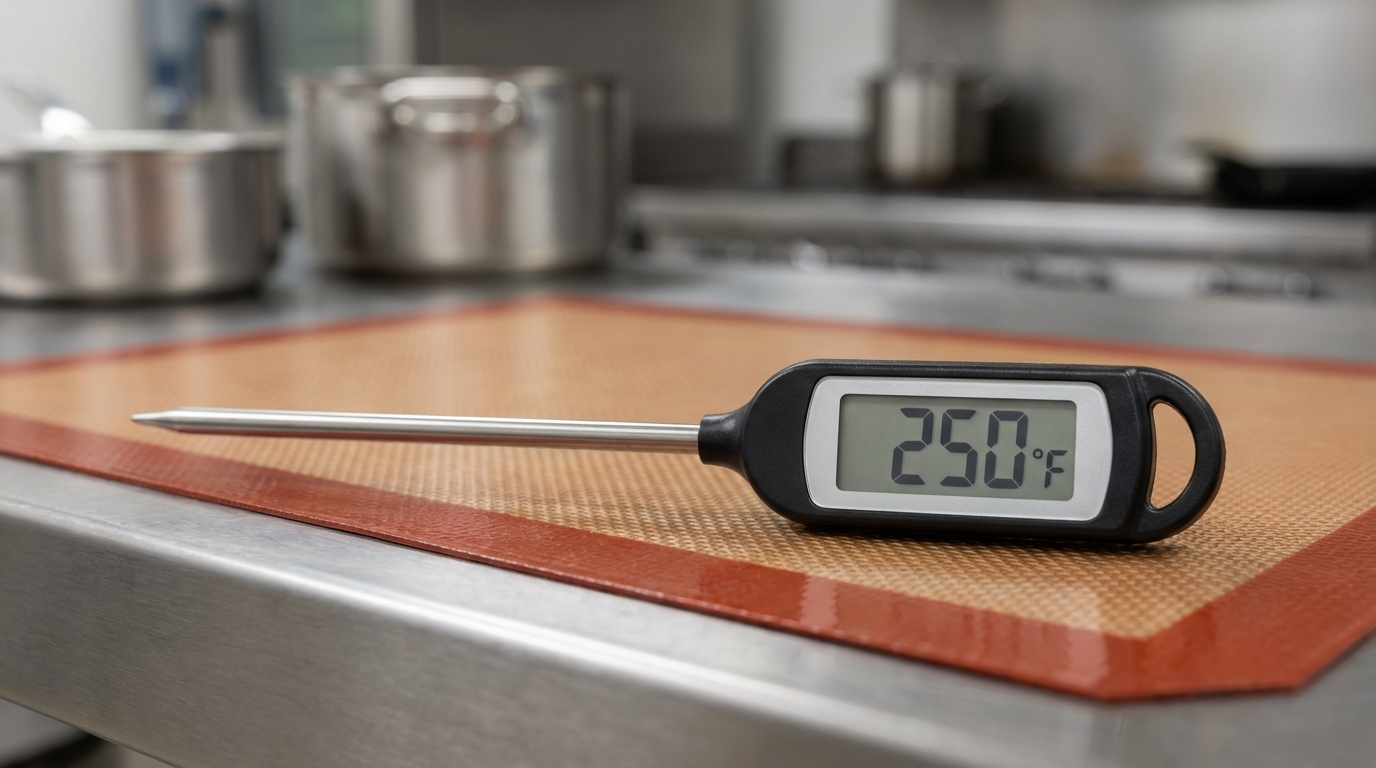
Kitchen Thermometer

Understanding Stability Limits

Most food-grade silicone is stable up to 450°F for cooking, but for cleaning, you should stay much lower. Keeping your oven at or below 250°F (120°C) provides plenty of expansion without approaching the "degradation zone." This ensures your tools remain supple and safe for years.

Preventing Chemical Leaching

If you use excessively high temperatures, you risk breaking the chemical bonds within the silicone itself. This can result in the leaching of siloxanes, which are not intended for heavy ingestion. Stick to the science-backed low-heat methods to keep your kitchen "green" and healthy.

Key Takeaway: Silicone is stable, but extreme heat can damage the integrity of the material and cause leaching.

Temperature RangeSafety LevelAction
200°F - 250°FVery SafeIdeal for deep cleaning.
250°F - 350°FSafeLimits should be monitored closely.
Above 400°FRiskyAvoid for cleaning purposes.

Maintaining strict temperature control protects both your kitchen tools and the health of your family.

How can you prevent smells from returning to your silicone tools?

The ultimate goal in how to get smells out of silicone is to ensure the problem doesn't recur. Prevention is significantly easier than deep-cleaning a heavily saturated gasket or mat. By adopting a few professional habits, you can keep your premium tools smelling like new indefinitely.

Look at these tips:

  • Rinse with cold water immediately after use.
  • Use separate tools for "sweet" vs "savory."
  • Store items in a dry, ventilated area.
  • Invest in premium silicone products from the start.

Organized Kitchen Drawer

Immediate Post-Cook Rinsing

As soon as you finish using a silicone tool, rinse it under cold water. While hot water opens the pores, cold water helps "close" them quickly, trapping fewer odors before you even get to the sink. This simple 5-second habit can reduce odor absorption by up to 50%.

Material Selection Matters

High-quality materials are the foundation of a fresh kitchen. Buying from a reputable food-grade silicone manufacturer means you are getting a product with fewer fillers and lower porosity. These tools naturally resist odors and last significantly longer than budget alternatives.

Key Takeaway: Prevention is easier than cure; wash items immediately after contact with pungent ingredients.

Prevention HabitEffortImpact
Cold Water RinseVery LowHigh (stops oil entry).
Dedicated ToolsMediumVery High (prevents cross-contamination).
Proper StorageLowModerate (stops stale smells).

Implementing these small changes will ensure your silicone collection remains a versatile and odor-free asset in your culinary arsenal.

Frequently Asked Questions

Can I use bleach to clean silicone?
While bleach is a strong base, it is generally too harsh for food-contact silicone and can cause the material to become brittle or yellow over time. It is much safer and more effective to stick to baking soda or the low-heat oven method described above.

Why does my silicone smell like soap?
This typically occurs when dish detergent scents get trapped in the molecular gaps alongside food oils. To fix this, use the oven-bake method at 250°F to release the trapped soap molecules and oils, then rinse with plain hot water.

Is vinegar effective for removing silicone smells?
Vinegar is an acid, and because most food odors are also acidic, it usually won't create the necessary neutralizing reaction. You are better off using an alkaline base like baking soda to chemically counter the pungent scents.

Will the oven method melt my spatula?
As long as your tool is made of 100% food-grade silicone and you keep the oven at 250°F, it will not melt. Genuine silicone is incredibly stable and can withstand temperatures far higher than the cleaning threshold without losing its shape.

How often should I deep-clean my gaskets?
For high-odor tasks like fermenting or cooking with garlic and onions, a deep clean is recommended once a month. For general baking tools, a deep clean is only necessary when you notice a "lingering" scent that doesn't wash away with soap.

If you have more questions about maintaining your professional-grade tools, contact us today for expert guidance.


Trends
Jul 14, 2025

what kind of shoes materials

When it comes to footwear, understanding what shoes are made of is crucial. From the outer material to the soles, the materials chosen have a direct impact on comfort, durability, and performance. Whether you’re in the business of buying, designing, or retailing shoes, knowing what goes into their composition can help you make more informed decisions. This article explores the materials and processes involved in shoe manufacturing, with a focus on how these factors shape the quality and functionality of the shoes we wear daily.

1. Introduction: Understanding Shoe Composition and Craftsmanship

In the footwear industry, the choice of materials defines the overall quality of a shoe. What’s the real story? Whether you’re a buyer, retailer, designer, or manufacturer, understanding the composition of shoes can make a significant difference in the products you choose to work with or sell. With the growing demand for transparency in manufacturing, customers now expect to know what materials are used in the shoes they purchase, and they want assurance that these materials are of high quality. For industry professionals, this knowledge is essential not only for product development but also for communicating effectively with customers and meeting sustainability standards.

Materials play a critical role in determining the comfort, durability, and aesthetics of shoes. As a result, manufacturers and designers must weigh factors like cost, performance, and sustainability when selecting the right materials for different shoe components. This is where it gets interesting… The materials used in shoes not only affect the way they look but also their functionality—whether it’s performance in sports, everyday wear, or the luxury fashion market.

ComponentMaterial ChoicesImpact on Shoe Quality
UpperLeather, mesh, canvasComfort, breathability
SoleRubber, EVA, polyurethaneDurability, traction
LiningTextile, leather, syntheticsMoisture control, comfort

2. Basic Structure of a Shoe

A shoe’s structure is made up of several critical components: the upper, sole, lining, insole, and outsole. But here’s the kicker… Each of these parts plays a unique role in ensuring the shoe performs well. Let’s break down each part and look at how materials affect their functionality.

The upper is the part of the shoe that covers the foot. It’s typically made from leather, synthetic materials, or textiles. The choice of material influences the overall fit and feel of the shoe. Leather uppers are durable and breathable, while textiles like mesh offer lightweight comfort and ventilation. The sole is another important component, with rubber soles offering excellent traction and durability, while EVA foam provides lightweight cushioning.

The lining of a shoe is what touches the foot directly, and its material is crucial for comfort. Leather linings provide luxury and durability, while synthetic textiles are more common in performance shoes for their moisture-wicking properties. Finally, the insole provides additional comfort and cushioning, typically made from EVA or polyurethane to help absorb shock.

Each part must work together to create a comfortable, durable, and functional shoe. What’s the real story? Understanding how each component contributes to the overall design and performance is key to making the best material choices.

ComponentCommon MaterialsFunction
UpperLeather, mesh, syntheticAesthetic, fit, breathability
SoleRubber, EVA, TPRTraction, durability, comfort
LiningLeather, textile, syntheticComfort, moisture control
InsoleEVA, polyurethaneCushioning, shock absorption

3. Natural Materials Used in Shoes

Natural materials like leather, cotton, and wool have long been staples in the footwear industry. What’s the real story? These materials are not only durable but also provide a high level of comfort and luxury that synthetic alternatives sometimes can’t match. Let’s explore some of the most common natural materials used in shoes.

Full-grain leather is one of the most sought-after materials in footwear due to its strength and durability. It ages beautifully, developing a rich patina over time. Suede and nubuck are softer, more textured types of leather, often used in casual shoes for a stylish, rugged look. These materials are breathable, mold to the shape of the foot, and provide excellent comfort. However, leather requires proper care to maintain its condition, and it can be more expensive than synthetic options.

Cotton and hemp are increasingly popular for their eco-friendly properties. Both materials are breathable and absorbent, making them ideal for lightweight shoes such as sandals or summer sneakers. Canvas is another fabric commonly used for casual shoes and sneakers. While not as durable as leather, canvas offers flexibility and comfort, and it can be dyed in a variety of colors and patterns, making it a popular choice for fashion-forward designs.

Wool is also used, particularly for winter footwear. Its natural insulating properties keep feet warm, making it ideal for boots designed for colder climates. However, wool can sometimes feel too warm for summer shoes, limiting its use to specific types of footwear.

MaterialBenefitsCommon Uses
Full-grain leatherDurability, flexibility, breathabilityLuxury shoes, boots
Suede/NubuckSoft, textured, stylishCasual shoes, boots
Cotton/HempBreathable, eco-friendlySummer shoes, sneakers
WoolInsulating, warmWinter boots, cold-weather shoes

4. Synthetic Materials and Their Role

Synthetic materials have become increasingly popular in the footwear industry due to their affordability and versatility. Ready for the good part? These materials offer numerous advantages, from improved performance to lower production costs. Let’s dive into some of the most common synthetic materials used in shoe manufacturing.

PU leather is a popular alternative to real leather. It is made from synthetic fibers coated with a polyurethane layer that mimics the look and feel of real leather. PVC is another synthetic material often used in footwear for its water resistance and durability. Microfiber is a synthetic textile that is both lightweight and breathable, making it a common choice for athletic shoes.

Nylon and polyester are frequently used in shoe uppers due to their strength, flexibility, and moisture-wicking properties. These materials are durable and cost-effective, which is why they are commonly found in sneakers and sports footwear. EVA (Ethylene-Vinyl Acetate) is a lightweight foam used in midsoles for cushioning and comfort, especially in athletic shoes. EVA foam is known for its shock absorption and flexibility.

What’s the real story? While synthetic materials often offer cost benefits, they are also designed to meet specific performance needs. Whether it’s the lightweight nature of microfiber or the durability of PU leather, synthetics are a vital part of modern shoe design.

MaterialBenefitsCommon Uses
PU LeatherDurable, cost-effective, stylishCasual shoes, boots
PVCWater-resistant, strongRain boots, outdoor shoes
MicrofiberLightweight, breathable, durableAthletic shoes, sneakers
Nylon/PolyesterStrong, flexible, moisture-wickingSneakers, running shoes
EVALightweight, cushioning, flexibleRunning shoes, sports footwear

5. How Materials Affect Shoe Design

The material used in shoe construction directly influences the design, weight, comfort, and durability of the final product. But here’s the kicker… The right choice of materials can elevate a shoe from a functional piece of equipment to a stylish fashion statement.

Weight, flexibility, and breathability are essential considerations when choosing materials for shoes. For example, running shoes require lightweight materials like EVA foam and mesh to ensure comfort during long runs. On the other hand, boots designed for cold weather may use heavier materials like leather or wool to provide insulation and durability.

Influence on style and function is another key factor. Leather and suede are often used in formal shoes for their polished appearance, while materials like canvas and mesh are more commonly found in casual shoes for their lightweight, breathable properties. What’s the real story? Materials have a direct impact on both the aesthetics and functionality of shoes, and designers must strike a balance between the two.

Environmental impact is becoming an increasingly important factor in material selection. Eco-friendly options like organic cotton, recycled polyester, and natural rubber are being used more frequently in shoe production. These materials provide sustainable alternatives to traditional options while still offering the performance and style that consumers expect.

MaterialImpact on DesignCommon Uses
LeatherDurable, polished, formalDress shoes, luxury footwear
CanvasLightweight, breathable, casualSneakers, summer shoes
EVA FoamLightweight, cushioned, flexibleRunning shoes, sports footwear
Organic CottonEco-friendly, breathableCasual shoes, sneakers
Recycled PolyesterSustainable, durableAthletic shoes, sneakers

6. Materials for Shoe Uppers

The upper of a shoe is the part that covers the foot, and it’s a critical factor in determining both comfort and style. What’s the real story? The material chosen for the upper can make or break the overall fit and aesthetic of the shoe.

Mesh is commonly used for sport and performance footwear due to its breathability and flexibility. It allows for maximum airflow, which is essential during high-performance activities. Leather uppers are classic, offering both elegance and durability, making them a popular choice for dress shoes and boots. Knit materials are also gaining popularity for their flexibility and form-fitting properties. Knit uppers are lightweight, stretchy, and mold to the foot, providing an ultra-comfortable fit.

Faux leather is an affordable alternative to genuine leather, and it offers a similar aesthetic. It’s commonly used in fashion shoes, where appearance is often more important than the material’s performance. Canvas is a lightweight and flexible material that is often used in casual shoes, especially summer styles.

What’s the real story? The upper material you choose impacts the shoe’s functionality, comfort, and appearance. Whether it’s a breathable mesh for activewear or a luxurious leather for formal shoes, the upper material plays a significant role in the overall performance of the shoe.

Upper MaterialBenefitsCommon Uses
MeshBreathable, flexible, lightweightRunning shoes, sneakers
LeatherDurable, polished, stylishFormal shoes, boots
KnitFlexible, comfortable, form-fittingCasual shoes, sneakers
Faux LeatherAffordable, stylishFashion shoes, casual footwear
CanvasLightweight, breathableSummer shoes, sneakers

7. Materials for Outsoles

The outsole of a shoe is critical for its grip, traction, and durability. Ready for the good part? Outsoles made from different materials provide various benefits depending on the shoe’s intended use.

Rubber is the most common material used for outsoles. It’s durable, water-resistant, and offers excellent traction. Rubber outsoles are ideal for athletic shoes, hiking boots, and outdoor footwear, where grip and durability are essential. EVA is another material used in outsoles, primarily in running shoes. EVA provides flexibility and cushioning, making it an ideal choice for performance footwear.

TPR (Thermoplastic Rubber) and TPU (Thermoplastic Polyurethane) are often used in high-performance and outdoor footwear for their durability and resistance to wear. These materials offer superior traction and shock absorption, making them perfect for shoes designed for rough or demanding environments. PU (Polyurethane) is another material used in outsoles, particularly in work shoes and casual footwear, where comfort and durability are key.

What’s the real story? Outsole materials affect the overall performance and durability of the shoe, so choosing the right material is crucial based on the shoe’s intended function.

Outsole MaterialBenefitsCommon Uses
RubberTraction, water-resistant, durableAthletic shoes, boots
EVAFlexible, cushioningRunning shoes, sneakers
TPRDurable, shock-absorbentHiking boots, outdoor shoes
TPUStrong, durable, resistant to wearHigh-performance footwear
PUComfortable, durableCasual shoes, work shoes

8. Materials for Midsoles

The midsole plays a crucial role in providing comfort, support, and shock absorption. What’s the real story? Midsoles are the unsung heroes of a shoe’s design, especially for athletic footwear. Let’s look at the most common materials used in midsoles.

EVA foam is the most common material used in midsoles. It’s lightweight, flexible, and offers excellent cushioning, making it ideal for running shoes and sports footwear. EVA foam helps absorb impact and return energy during running, reducing stress on the feet.

Polyurethane is another material often used in midsoles for its durability and cushioning properties. It’s denser than EVA foam and offers longer-lasting comfort, making it a great choice for shoes that need to withstand extensive use, such as hiking boots or work shoes.

Gel is another innovative material used in midsoles. It’s often used in high-performance running shoes for its ability to absorb shock and provide extra cushioning. Air units, commonly used in sneakers, are also incorporated into midsoles to offer added comfort and flexibility.

What’s the real story? Midsoles are vital for ensuring that shoes provide the right balance of comfort, support, and performance, which is why materials like EVA, polyurethane, and gel are commonly used in athletic footwear.

Midsole MaterialBenefitsCommon Uses
EVA FoamLightweight, cushioning, flexibleRunning shoes, sneakers
PolyurethaneDurable, comfortable, supportiveWork shoes, hiking boots
GelShock absorption, comfortRunning shoes, athletic footwear
Air UnitsCushioning, flexibilitySneakers, casual shoes
Trends
Jul 7, 2025

shoes

When it comes to footwear, understanding what shoes are made of is crucial. From the outer material to the soles, the materials chosen have a direct impact on comfort, durability, and performance. Whether you’re in the business of buying, designing, or retailing shoes, knowing what goes into their composition can help you make more informed decisions. This article explores the materials and processes involved in shoe manufacturing, with a focus on how these factors shape the quality and functionality of the shoes we wear daily.

1. Introduction: Understanding Shoe Composition and Craftsmanship

In the footwear industry, the choice of materials defines the overall quality of a shoe. What’s the real story? Whether you’re a buyer, retailer, designer, or manufacturer, understanding the composition of shoes can make a significant difference in the products you choose to work with or sell. With the growing demand for transparency in manufacturing, customers now expect to know what materials are used in the shoes they purchase, and they want assurance that these materials are of high quality. For industry professionals, this knowledge is essential not only for product development but also for communicating effectively with customers and meeting sustainability standards.

Materials play a critical role in determining the comfort, durability, and aesthetics of shoes. As a result, manufacturers and designers must weigh factors like cost, performance, and sustainability when selecting the right materials for different shoe components. This is where it gets interesting… The materials used in shoes not only affect the way they look but also their functionality—whether it’s performance in sports, everyday wear, or the luxury fashion market.

ComponentMaterial ChoicesImpact on Shoe Quality
UpperLeather, mesh, canvasComfort, breathability
SoleRubber, EVA, polyurethaneDurability, traction
LiningTextile, leather, syntheticsMoisture control, comfort

2. Basic Structure of a Shoe

A shoe’s structure is made up of several critical components: the upper, sole, lining, insole, and outsole. But here’s the kicker… Each of these parts plays a unique role in ensuring the shoe performs well. Let’s break down each part and look at how materials affect their functionality.

The upper is the part of the shoe that covers the foot. It’s typically made from leather, synthetic materials, or textiles. The choice of material influences the overall fit and feel of the shoe. Leather uppers are durable and breathable, while textiles like mesh offer lightweight comfort and ventilation. The sole is another important component, with rubber soles offering excellent traction and durability, while EVA foam provides lightweight cushioning.

The lining of a shoe is what touches the foot directly, and its material is crucial for comfort. Leather linings provide luxury and durability, while synthetic textiles are more common in performance shoes for their moisture-wicking properties. Finally, the insole provides additional comfort and cushioning, typically made from EVA or polyurethane to help absorb shock.

Each part must work together to create a comfortable, durable, and functional shoe. What’s the real story? Understanding how each component contributes to the overall design and performance is key to making the best material choices.

ComponentCommon MaterialsFunction
UpperLeather, mesh, syntheticAesthetic, fit, breathability
SoleRubber, EVA, TPRTraction, durability, comfort
LiningLeather, textile, syntheticComfort, moisture control
InsoleEVA, polyurethaneCushioning, shock absorption

3. Natural Materials Used in Shoes

Natural materials like leather, cotton, and wool have long been staples in the footwear industry. What’s the real story? These materials are not only durable but also provide a high level of comfort and luxury that synthetic alternatives sometimes can’t match. Let’s explore some of the most common natural materials used in shoes.

Full-grain leather is one of the most sought-after materials in footwear due to its strength and durability. It ages beautifully, developing a rich patina over time. Suede and nubuck are softer, more textured types of leather, often used in casual shoes for a stylish, rugged look. These materials are breathable, mold to the shape of the foot, and provide excellent comfort. However, leather requires proper care to maintain its condition, and it can be more expensive than synthetic options.

Cotton and hemp are increasingly popular for their eco-friendly properties. Both materials are breathable and absorbent, making them ideal for lightweight shoes such as sandals or summer sneakers. Canvas is another fabric commonly used for casual shoes and sneakers. While not as durable as leather, canvas offers flexibility and comfort, and it can be dyed in a variety of colors and patterns, making it a popular choice for fashion-forward designs.

Wool is also used, particularly for winter footwear. Its natural insulating properties keep feet warm, making it ideal for boots designed for colder climates. However, wool can sometimes feel too warm for summer shoes, limiting its use to specific types of footwear.

MaterialBenefitsCommon Uses
Full-grain leatherDurability, flexibility, breathabilityLuxury shoes, boots
Suede/NubuckSoft, textured, stylishCasual shoes, boots
Cotton/HempBreathable, eco-friendlySummer shoes, sneakers
WoolInsulating, warmWinter boots, cold-weather shoes

4. Synthetic Materials and Their Role

Synthetic materials have become increasingly popular in the footwear industry due to their affordability and versatility. Ready for the good part? These materials offer numerous advantages, from improved performance to lower production costs. Let’s dive into some of the most common synthetic materials used in shoe manufacturing.

PU leather is a popular alternative to real leather. It is made from synthetic fibers coated with a polyurethane layer that mimics the look and feel of real leather. PVC is another synthetic material often used in footwear for its water resistance and durability. Microfiber is a synthetic textile that is both lightweight and breathable, making it a common choice for athletic shoes.

Nylon and polyester are frequently used in shoe uppers due to their strength, flexibility, and moisture-wicking properties. These materials are durable and cost-effective, which is why they are commonly found in sneakers and sports footwear. EVA (Ethylene-Vinyl Acetate) is a lightweight foam used in midsoles for cushioning and comfort, especially in athletic shoes. EVA foam is known for its shock absorption and flexibility.

What’s the real story? While synthetic materials often offer cost benefits, they are also designed to meet specific performance needs. Whether it’s the lightweight nature of microfiber or the durability of PU leather, synthetics are a vital part of modern shoe design.

MaterialBenefitsCommon Uses
PU LeatherDurable, cost-effective, stylishCasual shoes, boots
PVCWater-resistant, strongRain boots, outdoor shoes
MicrofiberLightweight, breathable, durableAthletic shoes, sneakers
Nylon/PolyesterStrong, flexible, moisture-wickingSneakers, running shoes
EVALightweight, cushioning, flexibleRunning shoes, sports footwear

5. How Materials Affect Shoe Design

The material used in shoe construction directly influences the design, weight, comfort, and durability of the final product. But here’s the kicker… The right choice of materials can elevate a shoe from a functional piece of equipment to a stylish fashion statement.

Weight, flexibility, and breathability are essential considerations when choosing materials for shoes. For example, running shoes require lightweight materials like EVA foam and mesh to ensure comfort during long runs. On the other hand, boots designed for cold weather may use heavier materials like leather or wool to provide insulation and durability.

Influence on style and function is another key factor. Leather and suede are often used in formal shoes for their polished appearance, while materials like canvas and mesh are more commonly found in casual shoes for their lightweight, breathable properties. What’s the real story? Materials have a direct impact on both the aesthetics and functionality of shoes, and designers must strike a balance between the two.

Environmental impact is becoming an increasingly important factor in material selection. Eco-friendly options like organic cotton, recycled polyester, and natural rubber are being used more frequently in shoe production. These materials provide sustainable alternatives to traditional options while still offering the performance and style that consumers expect.

MaterialImpact on DesignCommon Uses
LeatherDurable, polished, formalDress shoes, luxury footwear
CanvasLightweight, breathable, casualSneakers, summer shoes
EVA FoamLightweight, cushioned, flexibleRunning shoes, sports footwear
Organic CottonEco-friendly, breathableCasual shoes, sneakers
Recycled PolyesterSustainable, durableAthletic shoes, sneakers

6. Materials for Shoe Uppers

The upper of a shoe is the part that covers the foot, and it’s a critical factor in determining both comfort and style. What’s the real story? The material chosen for the upper can make or break the overall fit and aesthetic of the shoe.

Mesh is commonly used for sport and performance footwear due to its breathability and flexibility. It allows for maximum airflow, which is essential during high-performance activities. Leather uppers are classic, offering both elegance and durability, making them a popular choice for dress shoes and boots. Knit materials are also gaining popularity for their flexibility and form-fitting properties. Knit uppers are lightweight, stretchy, and mold to the foot, providing an ultra-comfortable fit.

Faux leather is an affordable alternative to genuine leather, and it offers a similar aesthetic. It’s commonly used in fashion shoes, where appearance is often more important than the material’s performance. Canvas is a lightweight and flexible material that is often used in casual shoes, especially summer styles.

What’s the real story? The upper material you choose impacts the shoe’s functionality, comfort, and appearance. Whether it’s a breathable mesh for activewear or a luxurious leather for formal shoes, the upper material plays a significant role in the overall performance of the shoe.

Upper MaterialBenefitsCommon Uses
MeshBreathable, flexible, lightweightRunning shoes, sneakers
LeatherDurable, polished, stylishFormal shoes, boots
KnitFlexible, comfortable, form-fittingCasual shoes, sneakers
Faux LeatherAffordable, stylishFashion shoes, casual footwear
CanvasLightweight, breathableSummer shoes, sneakers

7. Materials for Outsoles

The outsole of a shoe is critical for its grip, traction, and durability. Ready for the good part? Outsoles made from different materials provide various benefits depending on the shoe’s intended use.

Rubber is the most common material used for outsoles. It’s durable, water-resistant, and offers excellent traction. Rubber outsoles are ideal for athletic shoes, hiking boots, and outdoor footwear, where grip and durability are essential. EVA is another material used in outsoles, primarily in running shoes. EVA provides flexibility and cushioning, making it an ideal choice for performance footwear.

TPR (Thermoplastic Rubber) and TPU (Thermoplastic Polyurethane) are often used in high-performance and outdoor footwear for their durability and resistance to wear. These materials offer superior traction and shock absorption, making them perfect for shoes designed for rough or demanding environments. PU (Polyurethane) is another material used in outsoles, particularly in work shoes and casual footwear, where comfort and durability are key.

What’s the real story? Outsole materials affect the overall performance and durability of the shoe, so choosing the right material is crucial based on the shoe’s intended function.

Outsole MaterialBenefitsCommon Uses
RubberTraction, water-resistant, durableAthletic shoes, boots
EVAFlexible, cushioningRunning shoes, sneakers
TPRDurable, shock-absorbentHiking boots, outdoor shoes
TPUStrong, durable, resistant to wearHigh-performance footwear
PUComfortable, durableCasual shoes, work shoes

8. Materials for Midsoles

The midsole plays a crucial role in providing comfort, support, and shock absorption. What’s the real story? Midsoles are the unsung heroes of a shoe’s design, especially for athletic footwear. Let’s look at the most common materials used in midsoles.

EVA foam is the most common material used in midsoles. It’s lightweight, flexible, and offers excellent cushioning, making it ideal for running shoes and sports footwear. EVA foam helps absorb impact and return energy during running, reducing stress on the feet.

Polyurethane is another material often used in midsoles for its durability and cushioning properties. It’s denser than EVA foam and offers longer-lasting comfort, making it a great choice for shoes that need to withstand extensive use, such as hiking boots or work shoes.

Gel is another innovative material used in midsoles. It’s often used in high-performance running shoes for its ability to absorb shock and provide extra cushioning. Air units, commonly used in sneakers, are also incorporated into midsoles to offer added comfort and flexibility.

What’s the real story? Midsoles are vital for ensuring that shoes provide the right balance of comfort, support, and performance, which is why materials like EVA, polyurethane, and gel are commonly used in athletic footwear.

Midsole MaterialBenefitsCommon Uses
EVA FoamLightweight, cushioning, flexibleRunning shoes, sneakers
PolyurethaneDurable, comfortable, supportiveWork shoes, hiking boots
GelShock absorption, comfortRunning shoes, athletic footwear
Air UnitsCushioning, flexibilitySneakers, casual shoes

9. Linings and Padding Materials

The lining and padding inside a shoe affect comfort, moisture control, and temperature regulation. But here’s the kicker… These materials might not be the most visible part of a shoe, but they have a significant impact on how comfortable a shoe feels to wear.

Leather linings are luxurious, durable, and breathable. They conform to the foot over time and provide a soft, comfortable feel. Leather is commonly used in high-end footwear and boots.

Textile linings are also popular, offering moisture-wicking properties to keep the feet dry. Synthetic linings, such as nylon or polyester, are often used for their durability, ease of care, and ability to keep feet cool during athletic activities.

Padding materials are just as important, especially for shoes that require shock absorption and comfort. Memory foam is commonly used for its ability to mold to the foot’s shape, providing personalized comfort. Anti-odor linings are also becoming popular, especially in athletic shoes, to keep feet fresh after long periods of wear.

Lining/Padding MaterialBenefitsCommon Uses
LeatherLuxurious, breathable, durableFormal shoes, boots
TextileMoisture-wicking, breathableAthletic shoes, casual shoes
SyntheticDurable, moisture-wickingSneakers, performance footwear
Memory FoamComfort, shock absorptionCasual shoes, sneakers

10. Shoe Laces, Eyelets, and Hardware

Shoe components like laces, eyelets, and hardware may seem insignificant, but they contribute significantly to the shoe’s durability and overall functionality. What’s the real story? These small components can affect both the aesthetics and performance of a shoe.

Cotton and polyester laces are the most common, with cotton laces offering a natural feel and polyester providing durability and resistance to fraying. Plastic eyelets are common in low-cost footwear, but metal eyelets are often used in higher-end or performance shoes due to their strength and ability to withstand repeated tension.

Plastic vs. metal hardware plays a role in the overall look and durability of the shoe. Metal components, like buckles and eyelets, are more durable and often used in work boots and high-performance shoes.

ComponentMaterial ChoiceImpact on Durability
LacesCotton, polyesterComfort, strength
EyeletsPlastic, metalDurability, strength
HardwarePlastic, metalAesthetics, longevity

11. Shoe Manufacturing Process: An Overview

The manufacturing process of shoes is a detailed and multi-step procedure that involves sourcing materials, stitching, cementing, and assembling the final product. What’s the real story? Understanding how shoes are made can help buyers and designers select quality footwear and identify good manufacturing practices.

The first step in shoe production is sourcing the right materials, which we’ve discussed in previous sections. Once the materials are chosen, the shoe’s upper is crafted, and the insole, outsole, and lining are prepared. What’s the kicker? The shoe is then assembled using different construction methods, such as stitching, cementing, or gluing.

Once assembled, the shoe undergoes several finishing processes to ensure the design meets quality standards. This can include polishing, quality control checks, and adding any final hardware like laces or eyelets. Handcrafted shoes are typically made with more attention to detail, while machine-produced shoes are often faster to produce and more cost-effective.

Manufacturing StepProcess DescriptionOutcome
Sourcing MaterialsChoosing leather, rubber, textilesSelection of materials
Assembling UpperStitching or gluing componentsShoe assembly
Attaching OutsoleCementing or stitchingDurability, support
Finalizing DesignPolishing, adding hardwareFinished product

12. Popular Construction Techniques

Different shoe construction techniques are used depending on the shoe’s design and intended use. Ready for the good part? Each technique offers unique benefits, from durability to flexibility.

Cemented shoes are the most common construction type, where the upper and sole are glued together. This method is faster and more affordable but may not be as durable as other techniques. Goodyear welted shoes are crafted by stitching the upper, welt, and sole together, providing excellent durability and a classic look. This construction method is often used in high-end footwear, such as dress shoes.

Blake stitched shoes feature a direct stitch through the upper, insole, and outsole, providing flexibility and comfort. Direct-attach soles are molded directly to the shoe, offering a seamless construction and lightweight feel.

Construction TypeProcess DescriptionBenefits
CementedUpper and sole glued togetherCost-effective, fast
Goodyear WeltedUpper, welt, and sole stitchedDurability, classic look
Blake StitchedDirect stitch through componentsFlexibility, comfort
Direct-AttachMolded sole directly to shoeLightweight, seamless

13. Quality Control in Shoe Manufacturing

Ensuring the quality of shoes is essential for both manufacturers and consumers. But here’s the kicker—even small defects in shoes can affect comfort, durability, and aesthetics. Quality control processes are implemented at each stage of the manufacturing process to spot and correct defects.

One of the first steps in quality control is inspecting the materials for defects. This includes checking for imperfections in the leather, rubber, and other materials used. During production, workers carefully check stitching, glue application, and sole attachment. Ready for the good part? Mass-produced shoes often undergo rigorous testing to ensure they meet quality standards, while handmade shoes are inspected more carefully to ensure every detail is perfect.

Some manufacturers also seek certification from third-party organizations, such as the ISO 9001 quality management standard, to ensure their products meet global standards.

Quality Control StepProcess DescriptionOutcome
Material InspectionChecking for defects in materialsQuality assurance
In-Production CheckInspecting stitching, gluing, etc.Ensures durability, fit
Final TestingRigorous testing of finished shoesCompliance with standards

14. Sustainability Trends in Shoe Materials and Production

Sustainability is becoming a key focus in the footwear industry. What’s the real story? Consumers and brands alike are looking for ways to reduce the environmental impact of shoe production. Let’s explore the latest trends in eco-friendly materials and sustainable practices.

Recycled plastics are being used more frequently in shoe production. Brands are finding ways to repurpose plastic bottles and other waste into durable shoe materials. Bio-based leathers made from plant-based materials are also on the rise, offering a more sustainable alternative to traditional animal leather. Organic cotton is used for uppers and linings, reducing the environmental impact of cotton farming.

Many brands are adopting low-carbon manufacturing processes that reduce the energy consumption of shoe production. Some companies are even adopting fully circular production models, where shoes are made from recycled materials and designed to be recycled at the end of their life.

Sustainability TrendMaterial/ProcessImpact
Recycled PlasticsRepurposing plastic wasteReduces environmental impact
Bio-based LeathersPlant-based leathersSustainable alternative
Organic CottonEnvironmentally friendly cottonReduces environmental footprint
Low-Carbon ManufacturingEnergy-efficient productionLower carbon footprint

15. How Material and Construction Affect Pricing

The price of shoes is often directly influenced by the materials and construction techniques used. What’s the real story? High-quality materials and labor-intensive construction techniques can significantly increase the price of a shoe, while more affordable materials and quicker manufacturing processes can lower the cost.

Leather shoes are generally more expensive due to the cost of the material and the craftsmanship involved in production. Synthetics are more affordable, allowing brands to produce shoes at a lower price point. Labor costs also play a role in pricing, especially when comparing handmade shoes like Goodyear welted shoes to machine-produced options.

Branding can also contribute to the price. Luxury brands charge a premium for their name and reputation, while lesser-known brands may offer similar quality shoes at a lower price. What’s the real story? The cost of shoes reflects a combination of material choices, manufacturing methods, and brand positioning.

FactorImpact on PriceExamples
MaterialHigh-quality materials increase priceLeather shoes, premium footwear
LaborHandcrafted shoes cost moreGoodyear welted shoes
BrandingLuxury brands charge a premiumDesigner footwear

Conclusion: Why Understanding Shoe Materials Matters

Understanding the materials that make up shoes is crucial for anyone involved in the footwear industry. From the quality of leather to the flexibility of EVA foam, each material impacts the comfort, durability, and performance of a shoe. What’s the real story? Whether you’re selecting materials for production, making purchasing decisions, or advising customers, knowing how different materials function can help you choose the right shoes for any need.

The variety of materials available today—ranging from traditional leather to cutting-edge synthetic options—offers endless possibilities for designers and manufacturers. But here’s the kicker—the right material choice isn’t just about performance. It’s about aligning with consumer expectations, trends, and sustainability efforts. As the industry evolves, so do the materials and construction techniques that shape the footwear we wear. By staying informed about these changes, you can make smarter, more impactful decisions.

As you continue to explore footwear materials, keep in mind that the best choices are those that balance quality, comfort, and environmental responsibility. In the end, understanding what shoes are made of is more than just a technical detail—it’s a key factor in delivering a product that meets the needs of today’s discerning consumers.

FAQ

Q1: What are the most durable materials for shoes?\
Full-grain leather and high-grade rubber offer excellent durability when properly maintained.

Q2: How does the manufacturing process impact shoe quality?\
Techniques like Goodyear welting improve longevity, while mass cementing can reduce lifespan.

Q3: Are synthetic shoes always lower quality than leather?\
No. Many synthetics today mimic or even exceed leather performance in specific applications.

Q4: What does “EVA midsole” mean?\
It refers to a lightweight foam layer providing cushioning and flexibility, common in running shoes.

Q5: How can I check if a shoe is well-made?\
Inspect stitching consistency, material feel, outsole attachment, and heel construction.

Frequently Asked Questions

Find answers to common questions about our manufacturing process, ordering, and services.

Our standard MOQ is 300 pairs per style, which allows us to maintain production efficiency while offering competitive pricing. However, we understand that new businesses or those testing new designs may need smaller quantities. For such cases, we offer flexible MOQ options starting from 100 pairs per style with slightly adjusted pricing. Please contact our sales team to discuss your specific requirements.

Our standard production lead time is 45-60 days from order confirmation to shipping, depending on order quantity and complexity. For new designs, we typically need 15-20 days to develop the first sample. We also offer expedited production options for time-sensitive orders at an additional cost. During peak seasons (pre-holiday periods), we recommend placing orders earlier to ensure timely delivery.

Yes, custom design and private labeling are our specialties. Our in-house design team can work with you to develop unique styles based on your sketches, inspirations, or market requirements. We offer comprehensive private labeling services including custom insoles, packaging, and branding elements. We can also modify our existing designs to match your brand aesthetic. All designs and brand information are kept strictly confidential.

We implement a rigorous 7-step quality control process throughout production. This includes: 1) Raw material inspection, 2) Pre-production sample approval, 3) In-process quality checks, 4) Semi-finished product inspection, 5) Final product inspection, 6) Random sampling tests for durability and comfort, and 7) Pre-shipment inspection. We also welcome third-party inspections and can provide detailed quality reports upon request.

We offer comprehensive logistics solutions including air freight, sea freight, and express shipping options. Our logistics team handles all necessary documentation, customs clearance assistance, and coordinates with reliable shipping partners to ensure timely delivery. We can ship to any global destination and provide real-time tracking information. Depending on your preference, we can work with your designated freight forwarder or arrange shipping on your behalf.

Our standard payment terms are 30% deposit upon order confirmation and 70% balance before shipment. For established clients, we offer flexible payment options including Net 30 terms after a successful business relationship. We accept payments via T/T (wire transfer), L/C (Letter of Credit for larger orders), and major credit cards for sample orders. All payment details and terms are clearly outlined in our quotations and contracts.

联系我们 - TLSTAGE

Ready to Start Your Success Story?

Join hundreds of satisfied clients who trust TLSTAGE for their footwear and fashion sourcing needs. Let's discuss how we can help grow your business.

Email Us

sales@tlstage.com

We respond within 24 hours

Call Us

+86 20 1234 5678

Mon-Fri 9AM-6PM CST

Visit Us

Guangzhou Fashion District

Guangdong, China 510000

Get Your Free Quote in 24 Hours

Tell us about your project and we'll send you a detailed quote with competitive pricing and fast delivery timeline.

By submitting this form, you agree to receive business communications from TLSTAGE.

联系表单 - 原始颜色版本

Our Latest Articles

Stay informed with our most recent articles covering a wide range of topics.

Placeholder image

February 1, 2026

Read the full article

what kind of shoes materials

July 14, 2025

Read the full article

shoes

July 7, 2025

Read the full article

materials

July 7, 2025

Read the full article

What are shoes made of

July 7, 2025

Read the full article

shoes materials

July 7, 2025

Read the full article

What Are Shoes Made Of? Materials & Manufacturing Process Explained

July 7, 2025

Read the full article

世界,您好!

April 19, 2025

Read the full article